

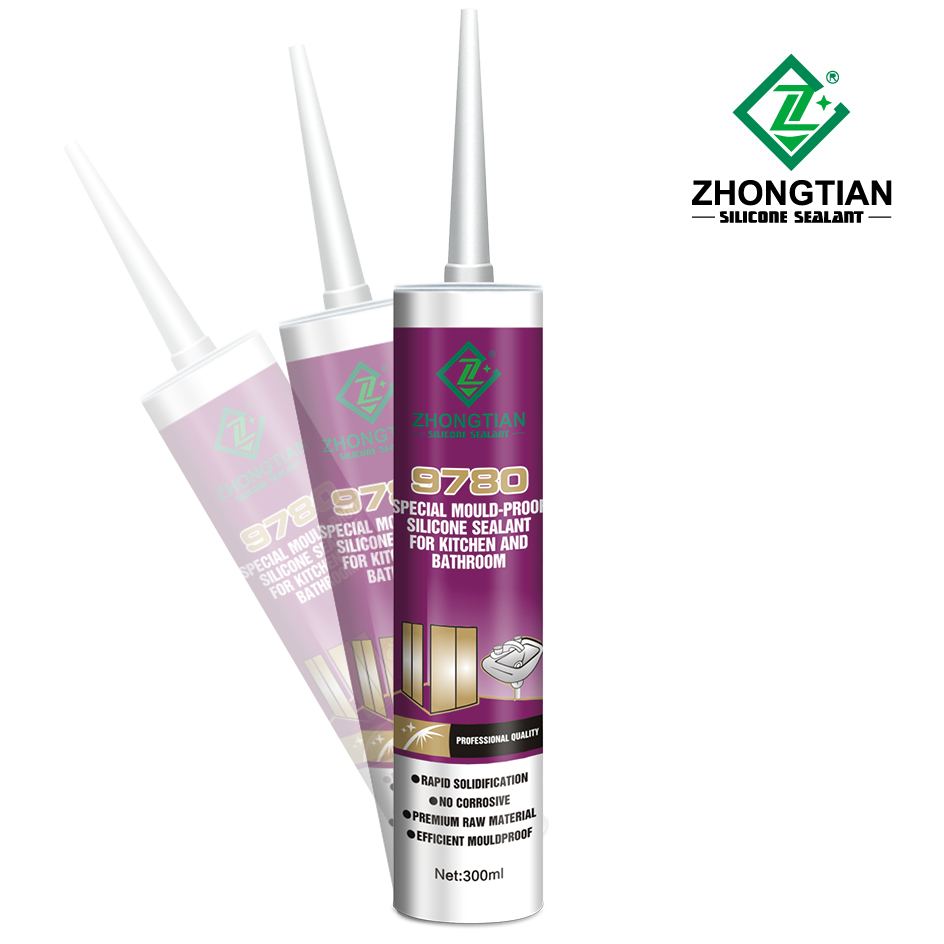
Choosing the best kitchen and bathroom anti mildew sealant for tile and ceramic surfaces is one of the most practical ways to improve hygiene, protect grout lines, and extend the service life of tiled spaces. In high-moisture environments such as kitchens, bathrooms, laundry rooms, showers, backsplashes, and sink surrounds, sealant performance matters. A high-quality anti mildew sealant helps block water penetration, reduce mold and mildew growth, improve joint durability, and maintain a cleaner, more professional appearance.
This guide provides a complete, SEO-friendly overview of anti mildew sealant for tile and ceramic surfaces, including definitions, key benefits, common material types, product specifications, application areas, selection tips, maintenance advice, and comparison tables. It is written as industry content only, without brand or company recommendations, making it suitable for blog posts, category pages, product education pages, and commercial landing pages.
An anti mildew sealant is a sealing material designed to protect joints, gaps, edges, and movement areas from water infiltration, bacteria buildup, stains, and mildew growth. When used on tile and ceramic surfaces, it helps create a durable barrier between the tile edges, grout lines, and surrounding building materials. Unlike ordinary fillers, a properly formulated kitchen and bathroom anti mildew sealant is intended for areas that are frequently exposed to steam, splashes, condensation, cleaning agents, and temperature changes.
In practical terms, this type of sealant is commonly applied around bathtubs, showers, sinks, countertops, splashbacks, tiled walls, floors, vanity units, and ceramic fixtures. It is especially valuable where conventional grout alone may not provide enough flexibility or waterproofing. For this reason, many property owners, contractors, interior finishers, and maintenance teams look for the best anti mildew sealant for tile and ceramic surfaces to ensure long-term performance in wet and semi-wet environments.
Kitchens and bathrooms are among the most moisture-prone areas in any residential or commercial building. Constant exposure to water, cleaning products, heat, and humidity can quickly degrade ordinary joints and porous surfaces. Without the right sealant, tile edges can begin to collect dirt, absorb moisture, and develop mildew. Over time, this can lead to discoloration, odor, surface damage, and expensive repairs.
The best kitchen and bathroom anti mildew sealant for tile and ceramic surfaces supports both performance and appearance. It helps maintain a clean finished look while protecting underlying substrates from water damage. In hygienic environments, such as food preparation areas or family bathrooms, anti mildew sealant also supports easier cleaning and better sanitation.
| Problem in Wet Areas | How Anti Mildew Sealant Helps | Benefit to Tile and Ceramic Surfaces |
|---|---|---|
| Water infiltration | Forms a sealed barrier at joints and edges | Protects tile backing and substrate from moisture damage |
| Mildew and mold growth | Contains anti-fungal and anti-mildew additives | Improves hygiene and reduces staining |
| Movement and vibration | Provides flexible adhesion | Prevents cracking and joint failure |
| Frequent cleaning | Resists common household cleaners | Maintains seal appearance over time |
| Humidity and steam | Performs in high-moisture environments | Ideal for bathrooms, kitchens, and showers |
Selecting a premium anti mildew sealant for tile and ceramic applications offers several important advantages. These benefits make it a preferred choice for both new construction and renovation projects.
One of the main functions of a kitchen and bathroom anti mildew sealant is moisture control. The sealant creates a flexible, water-resistant line that helps prevent water from entering seams, corners, and transition points. This is essential around ceramic tiles, where exposed edges and grout joints can otherwise absorb water.
The best anti mildew sealant for tile and ceramic surfaces is formulated with additives that inhibit mildew growth. This is especially useful in warm, damp spaces where airborne spores can settle and multiply. By reducing the conditions favorable to mildew, the sealant helps maintain a cleaner surface appearance.
Ceramic tile installations often experience structural movement due to temperature changes, vibration, settling, and daily use. Unlike rigid fillers, a flexible anti mildew sealant accommodates slight movement without cracking. This helps preserve the integrity of the joint over time.
A smooth, well-applied sealant line provides a neat and professional look. In kitchens and bathrooms, visual finish matters nearly as much as performance. The right sealant can improve the appearance of tiled surfaces by creating clean edges around sinks, bathtubs, countertops, and backsplashes.
Surfaces sealed with anti mildew products are generally easier to clean. Dirt, soap residue, grease, and water spots are less likely to penetrate the seal line, making routine maintenance faster and more effective.
A durable sealant extends the lifespan of tile installations by protecting joints and underlying materials. This reduces the need for frequent repair or replacement and improves overall cost efficiency.
Not all sealants are the same. The best kitchen and bathroom anti mildew sealant for tile and ceramic surfaces depends on the environment, joint width, surface type, and required movement resistance. Below are the most common industry material types.
| Sealant Type | Main Features | Typical Use | Key Advantage |
|---|---|---|---|
| Silicone anti mildew sealant | Highly flexible, waterproof, excellent adhesion, mildew-resistant additives | Bathrooms, showers, sinks, tile edges, ceramic fittings | Best overall performance in wet areas |
| Neutral cure silicone | Low odor, good adhesion to ceramics and many substrates, non-corrosive | Tile-to-metal, tile-to-glass, tile-to-ceramic joints | Suitable for sensitive materials |
| Acetoxy silicone | Fast curing, strong adhesion, common general-purpose option | Simple bathroom and kitchen sealing tasks | Cost-effective and widely used |
| MS polymer sealant | Good adhesion, paintable in some formulations, flexible, weather-resistant | Hybrid sealing applications around tile and ceramic surfaces | Versatile performance in mixed environments |
| Acrylic sealant with anti-mold properties | Easy to apply, lower flexibility, less waterproof than silicone | Low-movement indoor joints and decorative gaps | Simple application for lighter-duty use |
When evaluating the best kitchen and bathroom anti mildew sealant for tile and ceramic surfaces, buyers should focus on performance metrics rather than appearance alone. Below are the core characteristics that matter most in real-world use.
| Performance Characteristic | Recommended Level | Why It Matters |
|---|---|---|
| Water resistance | High | Prevents leaks and protects substrates in wet zones |
| Mildew resistance | High | Reduces discoloration and microbial growth |
| Elastic recovery | Good to excellent | Maintains seal integrity during movement |
| Adhesion to ceramic | Strong | Ensures long-lasting bonding to non-porous surfaces |
| Temperature resistance | Wide range | Supports kitchens with heat and bathrooms with steam |
| Cleaning resistance | Good | Helps withstand regular household cleaning products |
| Curing speed | Moderate to fast | Speeds up installation and return-to-service time |
| Odor level | Low preferred | Improves usability indoors |
A major advantage of anti mildew sealant is its versatility. It can be used in many common kitchen and bathroom areas where water, steam, and regular cleaning are expected.
The following table provides a general specification framework for a high-performance kitchen and bathroom anti mildew sealant for tile and ceramic surfaces. Actual values may vary depending on formulation, but these ranges are useful for comparing products in an industry setting.
| Specification Item | Typical Industry Range | Notes |
|---|---|---|
| Base chemistry | Silicone, MS polymer, acrylic hybrid | Silicone is most common for wet areas |
| Appearance | White, clear, gray, beige, custom colors | Color selection depends on tile design |
| Skin time | 5 to 20 minutes | May vary by temperature and humidity |
| Cure rate | Approx. 2 to 4 mm per 24 hours | Deeper joints require longer curing |
| Service temperature | Approx. -40°C to +150°C | Depends on sealant chemistry |
| Movement capability | ±10% to ±25% | Higher movement allowance is preferred |
| Shore A hardness | 20 to 40 | Affects softness and flexibility |
| Packaging | Cartridge, sausage, tube | Common sizes for manual or gun application |
| Shelf life | 12 to 24 months | Store in cool, dry conditions |
| Primary use | Kitchen and bathroom joints | Ideal for tile and ceramic sealing |
Choosing the right product requires more than selecting a sealant labeled for bathrooms. The best kitchen and bathroom anti mildew sealant for tile and ceramic surfaces should be selected based on use case, substrate compatibility, movement needs, and exposure level.
Ceramic tile is typically non-porous, so the sealant must bond well to smooth surfaces. If the installation involves glass, metal trims, stone, or painted elements, compatibility becomes even more important. A neutral cure silicone or hybrid sealant may be preferred for mixed materials.
In damp environments, anti-mildew performance is essential. Look for sealants specifically designed to resist microbial growth, staining, and discoloration. This is especially important in showers, around sinks, and in poorly ventilated bathrooms.
Tile joints often experience expansion, contraction, and movement. A sealant with strong flexibility and elastic recovery will perform better over time. Rigid fillers are less suitable for joints that may shift.
Kitchens and bathrooms require regular cleaning. Choose a sealant that can tolerate typical household cleaning products and resist yellowing, cracking, or surface degradation.
Cure speed, odor, and indoor usability should all be considered. Low-odor neutral cure products are often preferred in enclosed interior spaces. Faster curing may be beneficial for projects with tight turnaround times.
A clean aesthetic is important for visible tile joints. Color-matched or clear sealants may help blend with ceramic tile and grout lines. White sealant remains a common choice for bathrooms and kitchens due to its clean appearance.
Many people confuse sealant with grout, but the two materials serve different functions. Grout fills spaces between tiles, while sealant is used where flexibility and waterproofing are needed. Both are important in tile systems, but the best anti mildew sealant for tile and ceramic surfaces is typically used in corners, perimeters, and junctions rather than all tile joints.
| Feature | Sealant | Grout |
|---|---|---|
| Flexibility | High | Low |
| Water resistance | Very high | Moderate to high depending on type |
| Mildew resistance | High with proper formulation | Varies by product |
| Movement tolerance | Excellent | Poor |
| Typical use | Edges, corners, transitions, fixtures | Tile-to-tile joints |
| Maintenance | Easy to moderate | Moderate |
| Appearance | Smooth, flexible finish | Textured, rigid finish |
In kitchen environments, anti mildew sealant is commonly used to protect areas exposed to food preparation, splashes, steam, grease, and regular cleaning. Ceramic tile backsplashes, sink corners, and countertop edges are especially important locations.
Bathrooms demand even stronger moisture protection due to steam, standing water, and daily washing. The best kitchen and bathroom anti mildew sealant for tile and ceramic surfaces is often selected for showers, bathtubs, tile corners, and around fixtures where mildew commonly develops.
Even the best anti mildew sealant for tile and ceramic surfaces will underperform if the surface is poorly prepared. Proper installation is critical to achieving strong adhesion, clean appearance, and long service life.
To maximize the service life of kitchen and bathroom anti mildew sealant, regular cleaning and inspection are recommended. Mild cleaning solutions are usually sufficient for daily maintenance. Harsh abrasives and aggressive scraping should be avoided because they can damage the sealant surface.
Inspect joints periodically for signs of cracking, peeling, discoloration, or mold buildup. If deterioration is found, replacement may be necessary to restore waterproofing and hygiene. Preventive maintenance is more economical than waiting until water damage occurs.
The demand for the best kitchen and bathroom anti mildew sealant for tile and ceramic surfaces remains strong across residential, hospitality, healthcare, and commercial sectors. Contractors benefit from easier installation and fewer callbacks. Property owners benefit from cleaner surfaces and less repair work. Facility managers benefit from reduced maintenance and improved hygiene standards.
In tile-heavy environments, a reliable anti mildew sealant is not just a finishing material; it is part of the moisture management system. It protects visible surfaces, supports sanitation, and helps maintain the value of the property over time.
For SEO purposes, this topic naturally aligns with high-intent search phrases such as best kitchen and bathroom anti mildew sealant for tile and ceramic surfaces, anti mildew sealant for ceramic tile, bathroom sealant for tile joints, kitchen tile sealant, mildew resistant sealant for bathrooms, and waterproof sealant for ceramic surfaces. Including these phrases in headings, body copy, image alt text, and metadata can improve topical relevance for search engines.
| Checklist Item | What to Look For | Why It Matters |
|---|---|---|
| Anti-mildew formula | Specifically labeled mildew resistance | Helps prevent staining and microbial growth |
| Waterproof performance | Suitable for wet and humid areas | Protects the tile system from moisture |
| Flexible adhesion | High elasticity and movement tolerance | Reduces cracking in active joints |
| Ceramic compatibility | Good adhesion to smooth surfaces | Ensures strong bond on tile edges |
| Low odor | Preferred for indoor applications | Improves user comfort during installation |
| Color options | Clear, white, or tile-matching shades | Supports a neat final appearance |
| Easy maintenance | Resistant to cleaning and staining | Extends practical lifespan |
The best kitchen and bathroom anti mildew sealant for tile and ceramic surfaces is one that combines strong water resistance, mildew protection, flexibility, adhesion, and clean finishing performance. Whether the goal is to protect shower corners, seal a kitchen backsplash, finish ceramic sink surrounds, or improve hygiene in a commercial washroom, choosing the right anti mildew sealant can significantly improve long-term results.
For SEO-driven content and industry pages, this topic works especially well because it addresses a clear user need, includes high-value keywords, and supports detailed informational coverage. By understanding sealant types, performance specs, application areas, and maintenance practices, readers can make smarter decisions and achieve better results on tile and ceramic surfaces in moisture-heavy environments.
```
+86-18003009562
+86-18003009526
Chine Guan G Building ξAopenggang village, longue rue
zhongtian05@hz-zhongtian.cn
qingailing579@gmail.com


Copyright © Zhongtian New Material Technology (huizhou) Co., Ltd. Tous droits réservés
Plan du siteCe site Web utilise des cookies pour vous garantir la meilleure expérience sur notre site Web.

 English
 Español
 Pусский
 العربية



 Téléphone
Commentaire
(0)